
Two Titles, Used Interchangeably, For Different Jobs
Ask ten service contractors what the difference is between a dispatcher and a service coordinator and you will get ten answers, several of which contradict each other. Some companies use the titles for the same seat. Some have both and cannot articulate the split. Most hire one, discover the other problem is still there, and conclude that the hire did not work.
The distinction is not academic. It decides which of your two operational problems gets solved, and hiring the wrong one costs a quarter.
The cleanest way to separate them: a dispatcher owns today. A service coordinator owns everything that is not today.
What a Dispatcher Actually Owns
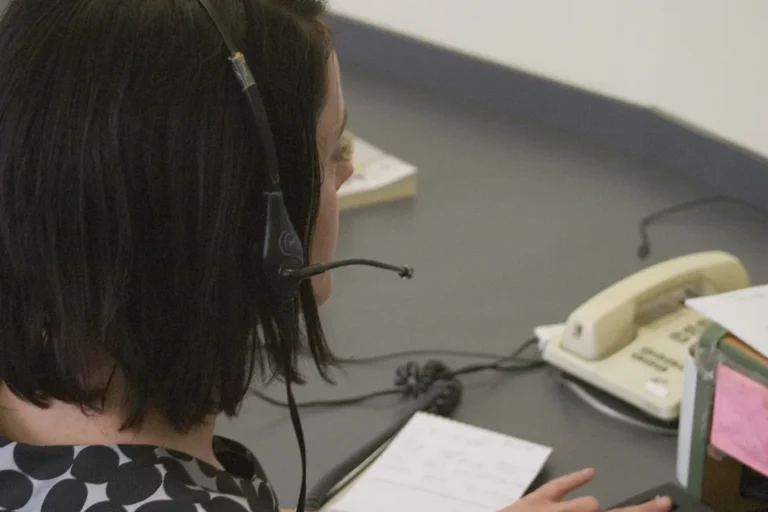
A dispatcher runs the board. Their working horizon is the next eight hours, occasionally the next two days, and their job is to keep technicians moving and customers informed while reality interferes with the plan.
In practice that means:
- Assigning calls to technicians by skill, location and available time
- Re-sequencing the day when a job overruns, a part is missing or a technician calls out
- Taking inbound service calls and triaging genuine emergencies from things that can wait
- Telling customers when the technician will actually arrive, and telling them again when that changes
- Confirming that work orders are opened, updated and closed on the same day the work happens
- Escalating to a supervisor when a job needs a decision above their authority
The measure of a good dispatcher is a day that ends with the board clean, the technicians productive and nobody calling the office to ask where their appointment went. For how the seat works in a residential heating and cooling company, see what an HVAC dispatcher does.
What a Service Coordinator Actually Owns
A service coordinator works on a longer clock. Their horizon is the week, the month and the contract term, and their job is to make sure that work which is not urgent still happens.
In practice that means:
- Scheduling preventive maintenance so that agreements are actually delivered rather than merely sold
- Tracking service agreements: what is covered, what is due, what is about to lapse
- Managing warranty claims and the documentation that supports them
- Turning technician findings into quoted follow-up work and chasing the quote
- Keeping equipment and asset records current across customer sites
- Preparing the reporting that tells the owner whether the service department is profitable
The measure of a good service coordinator is that maintenance obligations do not slip, agreements renew, and the quotes generated from service calls actually get sent.
The Test: Is the Problem Today, or This Month?
When contractors describe the pain, the answer is usually already in the description.
"We are constantly rescheduling and customers are angry about arrival windows." That is today. Dispatch.
"We sold forty maintenance agreements and I could not tell you how many we have actually delivered." That is this month. Coordination.
"Technicians find work that needs quoting and it never gets quoted." That is coordination, and it is usually the most expensive of the three, because it is revenue you already earned the right to and did not collect.
"The owner is doing both of these at nine at night." That is both, and the order matters. See below.
Where the Overlap Causes Real Damage
The two roles genuinely touch. Both live in the service software, both talk to customers, both interact with the same technicians. That overlap is why companies collapse them into one seat, and why it usually fails in a specific and predictable way.
Urgent work always wins. When one person holds both, the dispatch side consumes the day, because a technician standing still is a visible problem and a maintenance visit due in three weeks is not. The coordination work quietly stops happening. Agreements go undelivered, quotes go unsent, and nobody notices until renewal season or until the department's margin is reviewed.
This is not a discipline problem. It is a structural one. Anyone holding both roles will be pulled toward the urgent one every single day.
Which One to Hire First
Hire a dispatcher first if
Technicians have idle gaps between calls. Customers are calling to ask where somebody is. The board is being run out of somebody's head or a whiteboard. Emergency calls are disrupting the whole day rather than a part of it. Your technician count has grown past roughly six and the informal system has stopped scaling.
Hire a service coordinator first if
Dispatch is basically working, but maintenance agreements are behind, warranty claims are being written off rather than claimed, and technician-generated quotes are dying in somebody's inbox. If you sell agreements and cannot immediately say what percentage have been delivered this year, this is your hire.
When you need both
Most service companies past a certain size do. If you are hiring both, hire dispatch first and coordination second - not because it matters more, but because the dispatch work is what will otherwise eat the coordinator alive. Establishing dispatch as its own seat protects the coordination seat from being consumed by it.
What Neither Role Does
Both roles are office positions. Neither one diagnoses equipment, makes a technical judgment about a repair, prices work that requires field assessment, or supervises technicians in the sense of managing their performance. They organise, communicate and document. The technical authority stays with your service manager and your technicians.
This is also why both roles transfer to remote work cleanly. Neither one has to be in the building. They have to be in your software, reachable by phone, and available during your service hours.
How to Decide This Week
Take last week. Count two things: the hours technicians spent not working because of scheduling, and the number of technician-identified opportunities that never turned into a sent quote. Put a dollar figure on each.
Whichever number is larger is the role you hire first. It is usually not the one people expect.
Frequently Asked Questions
Can one person do both jobs?
For a small operation, yes, and many do. The failure point arrives predictably: as call volume grows, the urgent dispatch work consumes the day and the maintenance, warranty and quoting work stops happening. If you already hold both in one seat and the coordination side is slipping, that is the signal to split them rather than to ask for more effort.
Can a dispatcher work remotely?
Yes. Dispatch is phone, software and communication work. A remote dispatcher works in your field service platform exactly as an in-house one would, takes the same calls, and updates the same board. What stays local is anything physical - parts counter, warehouse, keys, vehicles.
Does a remote dispatcher need to be in our time zone?
They need to cover your service hours, which is a scheduling question rather than a location one. Agree the coverage window before the engagement starts rather than after. If you run after-hours or weekend emergency cover, say so early, because it changes who is a fit.
What software does a remote dispatcher work in?
Yours. The role is defined by working inside your existing field service platform, phone system and customer records rather than introducing anything new. Proficiency in the specific platform is part of what we screen for.
Is a service coordinator the same as a customer service representative?
No, although the roles overlap at the edges. A customer service assistant handles inbound contact - answering, booking, updating, resolving. A service coordinator owns a body of scheduled work and its documentation over time. If your problem is that the phone is not answered well, that is customer service. If your problem is that committed work is not being delivered, that is coordination.
How quickly can we add one?
Within a maximum of approximately two weeks we can normally present two to three pre-screened candidates who meet the requirements of the position and are ready to be interviewed. The final hiring time depends mainly on how quickly your own evaluation and decision process moves.